Skip to content

Damask Rose Oil – The World’s Finest Rose Oil

Damascus rose – Rosa damascena – has been cultivated for over 300 years. This rose is valued worldwide for its distinctive aroma and quality, and rose oil has become a symbol of luxury in many cultures. Cultivating these roses requires carefully selected climate and soil conditions, which support a consistent and high-quality essential oil yield. The flowers are hand-picked early in the morning, when their natural fragrance is at its most intense. Due to the traditional production process and the large number of flowers required, Damascus rose oil is considered one of the most valuable essential oils.

Historical value and luxury

Throughout history, Damascus rose oil has symbolized beauty, love, and harmony. It is valued primarily for its distinctive and pleasant fragrance. In various cultures, rose oil has been used in beauty and fragrance rituals as well as in aromatic practices: as early as antiquity, Cleopatra in Egypt helped make rose oil famous by using it as an integral part of beauty and fragrance rituals; in India and the Middle East, it has been used in traditional rituals and religious ceremonies.

The production of rose oil is a meticulous and dedicated process. The flowers are hand-picked early in the morning, when their natural fragrance is at its most intense. To produce just 1 liter of pure rose oil, approximately 3,500–5,000 rose flowers are required — which is why it is often called “liquid gold.” This careful, handcrafted process gives rose oil its well-known quality and aroma, which is appreciated worldwide.

Use in perfumery and cosmetics

Damascus rose oil is valued for its exceptionally delicate and velvety fragrance, which is why it is widely used in perfumery to create luxury scents. It is one of the main components in some of the world’s best-selling perfumes from renowned brands, such as Chanel No.5 Eau de Parfum, Yves Saint Laurent Paris, Tom Ford Rose Prick, and others.

In cosmetic products, rose oil is primarily used for its pleasant fragrance and cosmetic properties that help care for the skin, supporting moisture retention and a well-groomed appearance. Rose oil is also popular in fragrance and skincare products, where its aroma and sensory experience are highly appreciated.

Chaneli parfüümipudel, mis on tumedal taustal.

Healing properties

Damascus rose oil is known for its distinctive fragrance. It has traditionally been used in aromatic practices and rituals. Historically, rose oil has been part of various traditions and ceremonies, including traditional medicine and Ayurveda, where it was regarded as a plant with cooling properties.

Culturally, Damascus rose has been associated with softness, harmony, and balance, and it has been used in rituals and aromatic practices to provide a pleasant olfactory experience and to care for the skin.

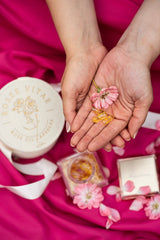
Ristuvad käed mille peal roosiõis koos kapslitega.

Popularity in aromatherapy

Damascus rose oil is one of the most valued essential oils in aromatic practices. Its delicate yet deep fragrance has traditionally been appreciated in aromatic use. Culturally, the scent of rose has been associated with the symbolism of the heart and balance, and it has been used in various rituals and traditional practices.

Roosiõli kapslite purk roosade lillede ja kroonlehtedega roosal taustal.

Versatility and beneficial effects on the skin

Damascus rose oil is a true beauty elixir — it softens and helps maintain the skin’s smoothness and natural radiance. Its fragrance provides a pleasant aromatic experience. Rose oil is suitable for all skin types and is used in products that support the skin’s cared-for appearance and overall sensory experience.

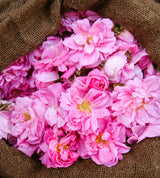
Roosade lillede kimp pruunil kangataustal.